
Car and Truck Lettering Chicago
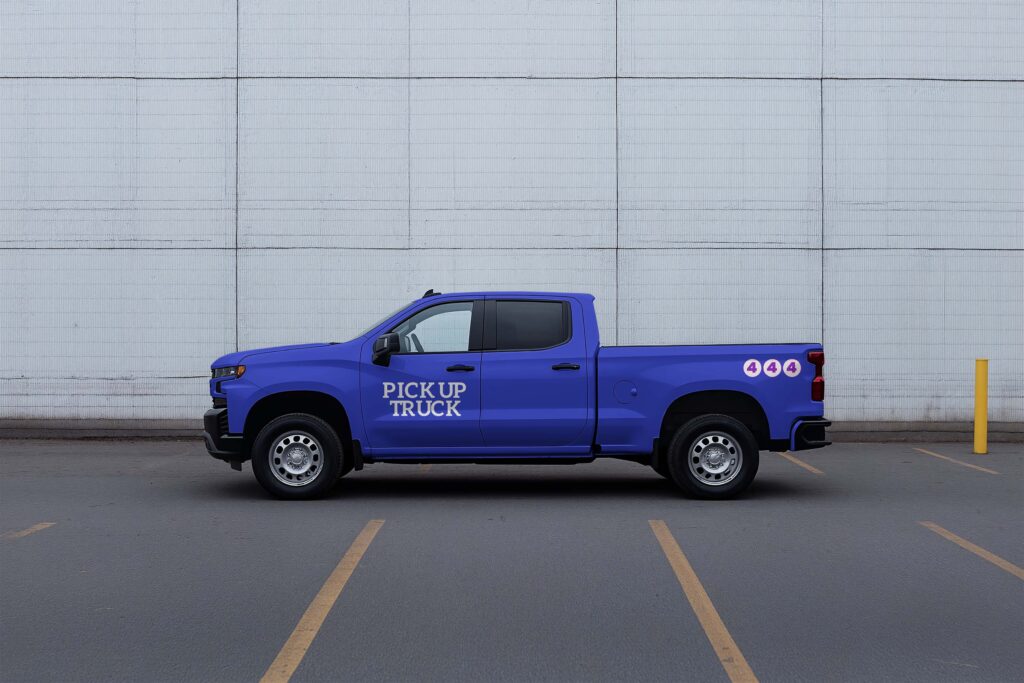
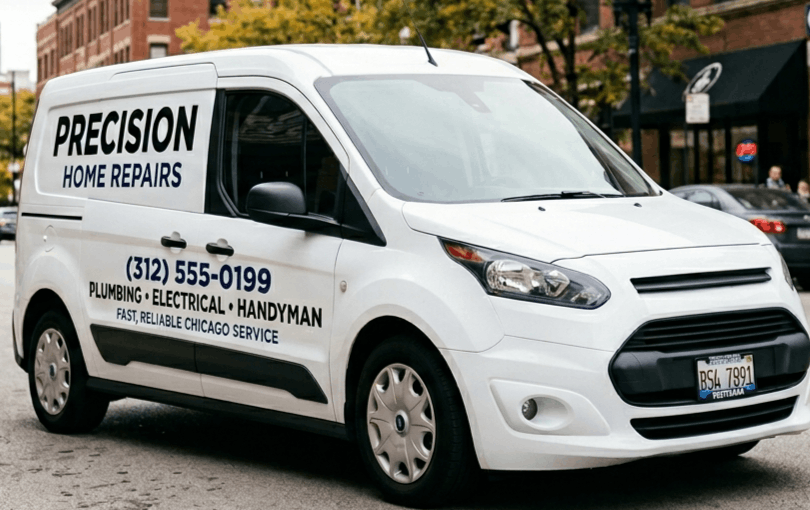
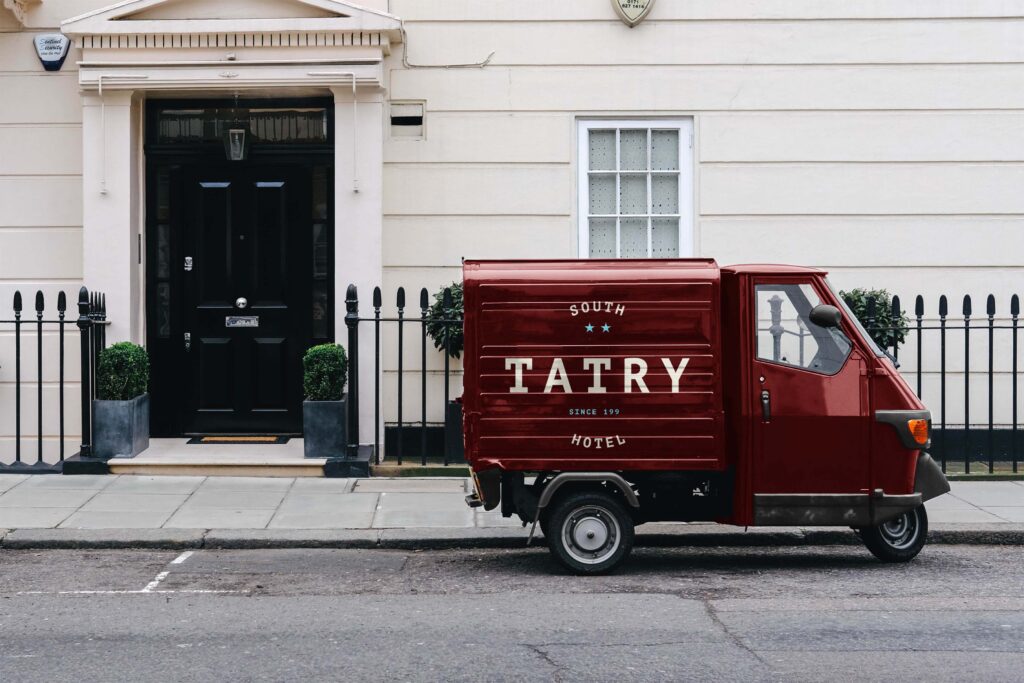
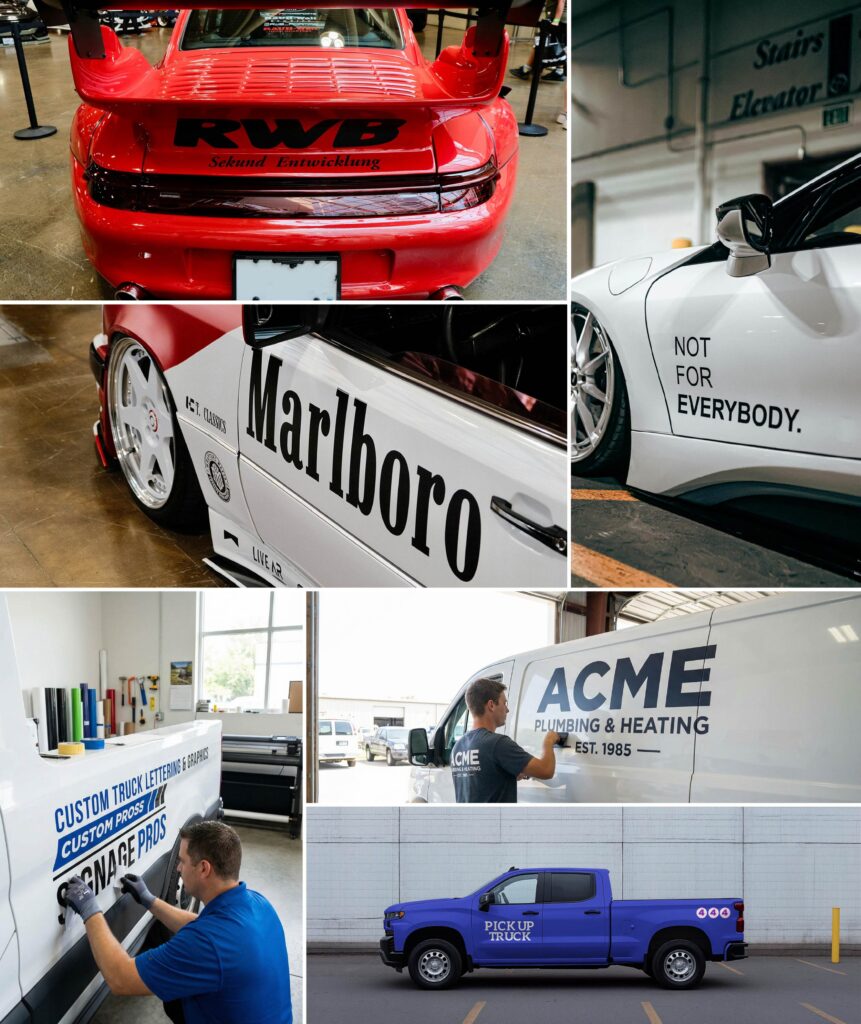
Car and truck lettering in Chicago is produced by plotting individual letters, numbers, and graphic shapes from solid-color cast vinyl sheet stock. The color is the vinyl itself, which is exactly why car and truck lettering has remained the standard identification product for commercial vehicles across Chicago’s service industries for decades: a cut vinyl letter applied to a vehicle door sits flush on the paint as a solid, flat color element that reads as professional identification at street distance without the visual artifacts that a printed graphic carrier introduces.
Car and truck lettering in Chicago is the go-to product for HVAC contractors in Naperville, plumbing and electrical companies running service routes across the suburbs, delivery operators in the West Loop, and any Chicago-area business that runs a vehicle and wants it to read as a professional operation at the job site.
Car and Truck Lettering in Chicago: Why Businesses prefer BannerFreak?
Car and truck lettering is a product where the quality difference between a correctly specified installation and a commodity one is visible from 20 feet away, and it stays visible for the full life of the lettering. Cut edges that aren’t clean, vinyl that’s starting to lift at the corners after a season of road exposure, letters that aren’t level across the door panel because the application tape wasn’t set with a reference line. These are the visible outcomes of a production process that cut corners on material, blade calibration, or application technique. On a service vehicle that pulls into a customer’s driveway every day, those details read as a signal about how the business operates.
Cast Vinyl Stock: Avery and Orafol for Automotive Applications
We cut car and truck lettering from Avery and Orafol cast vinyl stocks, not calendered vinyl, and the distinction matters on a vehicle operating year-round in Chicago conditions. Cast vinyl is manufactured by spreading liquid vinyl compound across a casting sheet and curing it flat — a process that produces a thin, memory-free film with no internal stress. When a cast vinyl letter is applied to a vehicle door panel and the vehicle cycles through temperature extremes between January and July, the letter stays down because the material has no thermal memory pulling it back toward a previous shape. Calendered vinyl carries residual stress from its roll-press manufacturing process that causes letters to shrink back from cut edges over time — producing the lifted-corner failures that show up on poorly specified vehicle lettering after the first Chicago winter. Every letter we cut from Avery or Orafol cast stock is working with the vehicle’s thermal environment rather than against it.
Color Range, Finish Options, and Reflective Grades
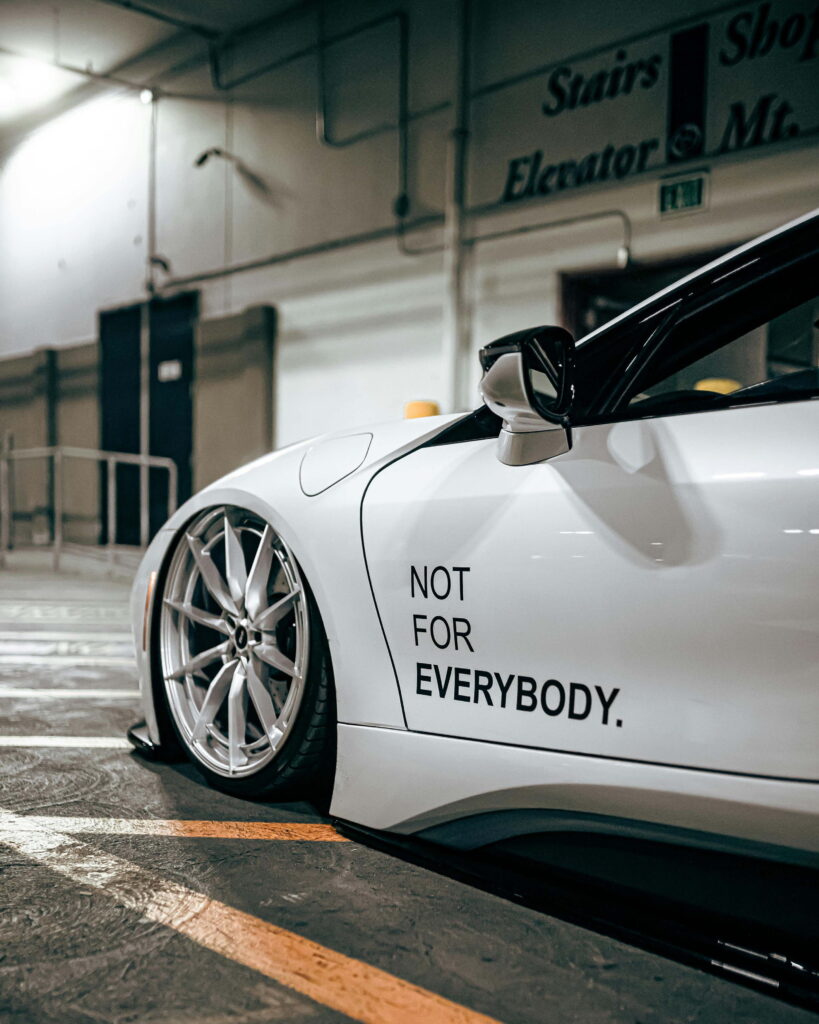
Car and truck lettering color is the vinyl stock itself — not ink applied to a substrate, which means the available colors, finishes, and specialty grades are determined by what the film manufacturer produces rather than what an ink system can match. Standard gloss colors cover the full spectrum of commercial identification needs: white and black for maximum contrast on most vehicle colors, red, blue, yellow, and green for brand color matching, and a full range of intermediate colors for specific brand requirements. Matte finish is available for applications where a non-reflective surface is the correct aesthetic, such as dark matte lettering on a dark vehicle, or a brand standard that calls for a flat rather than gloss finish. Metallic finishes, gold, silver, and brushed chrome, are available for premium identification programs and vehicles where the finish of the lettering is part of the brand expression. High-intensity reflective vinyl is specified for any vehicle that operates in low-light conditions, construction zones, or roadside service environments where DOT visibility standards apply or where reflective identification is a safety requirement.
Plotter Accuracy and Blade Calibration for Clean Cut Edges
The precision of cut vinyl lettering is determined by the cutting plotter and the blade settings, not by the artwork file alone. A blade set too deep cuts through the liner and creates instability in the letter during weeding, fine elements pull instead of release, and the letter may distort before it reaches the application tape. A blade set too shallow leaves a partial cut that tears rather than separates cleanly when the backing is weeded. We calibrate blade depth and cutting pressure independently for each vinyl stock we run. For car and truck lettering with fine serif characters, small secondary text, or narrow line elements in a logo, that calibration is the difference between a graphic that weeds cleanly and holds its shape and one that loses detail before it’s even transferred to the vehicle.
Request a Free Quote

Why the Material Behind the Letter Determines How Long It Stays on the Vehicle
Why the Material Behind the Letter Determines How Long It Stays on the Vehicle
Cut vinyl lettering looks the same on the vehicle for the first few weeks regardless of whether it was produced on cast or calendered stock — the visual difference between the two doesn’t show up at installation, it shows up six months to a year later when the thermal and mechanical stress of operating a vehicle in Chicago conditions starts acting on the adhesive and the film. Understanding what causes vinyl lettering to fail prematurely — and why the correct material prevents it — is the most useful technical information a Chicago business owner can have before ordering lettering for a service vehicle.
The failure mechanism for calendered vinyl on vehicles is thermal memory. During manufacturing, calendered vinyl is produced by pressing heated vinyl compound through a series of steel rollers at high speed, which orients the polymer chains in the film along the machine direction and introduces stress that the material tries to relieve over time. On a flat, temperature-controlled surface like an interior wall, this stress release is slow and may take years to produce visible edge lift. On a vehicle door panel that faces direct afternoon sun in Chicago’s summer — where surface temperatures on dark paint can exceed 160°F — the stress release accelerates significantly. The cut edges of calendered letters begin to pull back from the paint surface as the material shrinks toward the orientation stress it’s trying to release. Once an edge starts lifting, road wash, wind at highway speed, and freeze-thaw cycling at the adhesive boundary finish the job quickly. The letter that looked fine at installation is lifting at the corners after one summer.
Cast vinyl doesn’t have that failure mode because it doesn’t have that manufacturing stress. The casting process produces a film with no preferential orientation in the polymer structure — the material has no memory to release and no directional stress to relieve. On the same vehicle door panel under the same summer sun, a cast vinyl letter stays flat against the paint through the full rated lifespan of the material. That’s five to seven years of service vehicle operation for Avery and Orafol cast grades in standard outdoor conditions, which, for a Chicago service business operating daily in all weather, is a meaningful difference from a product that starts failing after its first summer.









Customer's Choice
Our Client’s Reviews for Car and Truck Lettering in Chicago

Jordan Calloway
Naperville, IL
BannerFreaks lettered three HVAC vans for our Naperville operation and the quality of the cut vinyl is immediately visible compared to what we’d had done previously. Clean edges, solid color, and every line of text is level across the door panel. Two years in and not one letter has lifted at a corner. This is what vehicle lettering is supposed to look like.
Nina Hargrove
Schaumburg, IL
We ordered car and truck lettering for our entire Schaumburg landscaping fleet — 12 trucks with business name, phone, and website on both doors. BannerFreaks handled the full run consistently and the color match across all 12 vehicles is exact. The application on every truck is level and the edges are still clean after a full operating season.
Elliot Dumas
Lincoln Park, Chicago, IL
I had lettering put on my company car through BannerFreaks and the difference from my previous vendor is noticeable. The Orafol metallic gold they used for our logo element looks premium — flat, precise, no carrier film visible around the edges. Exactly the professional appearance I needed for a vehicle that parks in front of clients.
Taryn Weston
Orland Park, IL
BannerFreaks produced reflective lettering for our Orland Park roadside service trucks — DOT numbers, business name, and emergency contact info in high-intensity reflective white. The reflectivity at night is strong and the letters have held up through a full year of daily road use without any edge lift or delamination. Exactly what a compliance application needs.
Marcella Obi
West Loop, Chicago, IL
We needed lettering on a leased cargo van for our West Loop delivery operation and BannerFreaks specified a removable-grade cast vinyl so we could take it off cleanly at lease end without paint damage. The lettering looks identical to a permanent application and it came off at the end of the lease without leaving a trace. Smart recommendation.
Cassidy Brennan
Burr Ridge, IL
BannerFreaks handles all our vehicle lettering reorders as we add trucks to our Burr Ridge contractor fleet. The color consistency between orders placed months apart is exact — same Avery stock, same output, same result. For a fleet that needs to look coordinated, that repeatability is non-negotiable and BannerFreaks delivers it every time.
Frequently Asked Questions for Car and Truck Lettering in Chicago
What's the difference between car and truck lettering and printed vehicle graphics?
Car and truck lettering is cut from solid-color vinyl sheet stock — the color is the film itself, with no ink layer involved. The result is a flat, solid-color letter or shape with no visible film carrier surrounding it on the vehicle surface. Printed vehicle graphics use an ink system applied to a white or clear vinyl carrier, which means the graphic has a substrate surrounding the artwork that’s visible from certain angles and reflects light differently than the paint around it. For identification text — business name, phone number, contact information — cut vinyl lettering reads cleaner on a vehicle surface than a printed equivalent at the same size, and it outlasts a printed film in outdoor conditions because there’s no ink layer to UV-degrade. For full-color imagery, logos with gradient color, or photographic elements, printed vinyl is the correct product because solid-color cut vinyl can’t reproduce that range of visual content.
Can car and truck lettering be applied to any vehicle color?
Yes — cut vinyl lettering is available in enough colors and finishes to produce readable, high-contrast identification on any vehicle paint color. White vinyl on dark-colored vehicles and black vinyl on white or light-colored vehicles are the most common specifications for maximum legibility. For brand-color matching on mid-tone vehicle colors, we confirm the specific Avery or Orafol color that matches your brand standards and assess contrast against the vehicle color before confirming the order. For vehicles with metallic, pearl, or specialty paint finishes, the application process is the same — the surface condition and any clearcoat issues are assessed before installation to ensure the adhesive bond is correct for the paint type.
How long does it take to produce and install car and truck lettering in Chicago?
Standard production for cut vinyl car and truck lettering — text content, color confirmation, and artwork layout — runs three to five business days from approved artwork. For simple single-vehicle jobs with standard content and no complex logo elements, production can often be completed faster. Installation time per vehicle depends on the layout complexity: a two-door text application on a standard van runs approximately one to two hours, including surface prep and application tape removal. Multi-vehicle fleet orders are scheduled in installation batches so vehicles aren’t all out of service simultaneously. Rush production at one to two business days is available for most lettering jobs at an additional cost — if you have a deadline, give us that date when you reach out and we’ll structure the production schedule accordingly.