Cut Out Vinyl Lettering and Graphics Chicago
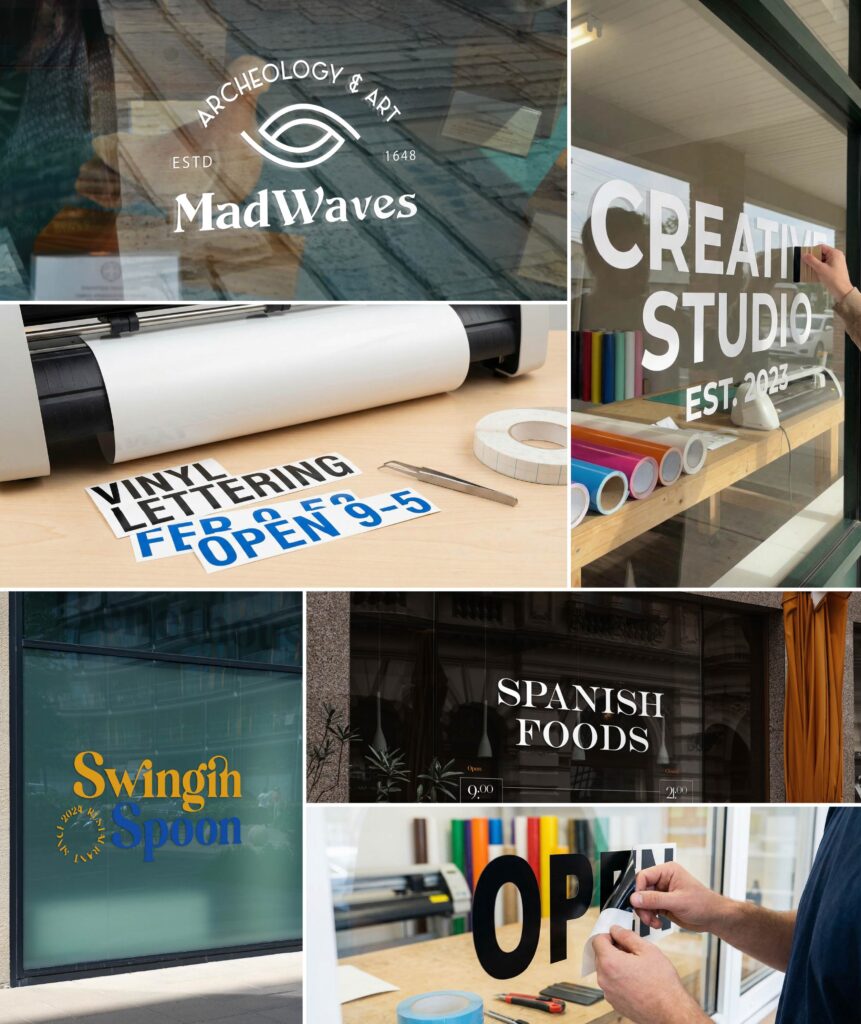
Cut out vinyl lettering and graphics in Chicago are produced by plotting individual shapes such as letters, logos, icons, decorative elements from a solid-color vinyl sheet using a precision cutting plotter, then weeding away the surrounding material to leave only the finished graphic on a transfer tape backing. There is no ink involved in this process. The color is the vinyl itself, which means the output is flat, opaque, and permanent in a way that a printed graphic on a white substrate can’t replicate.
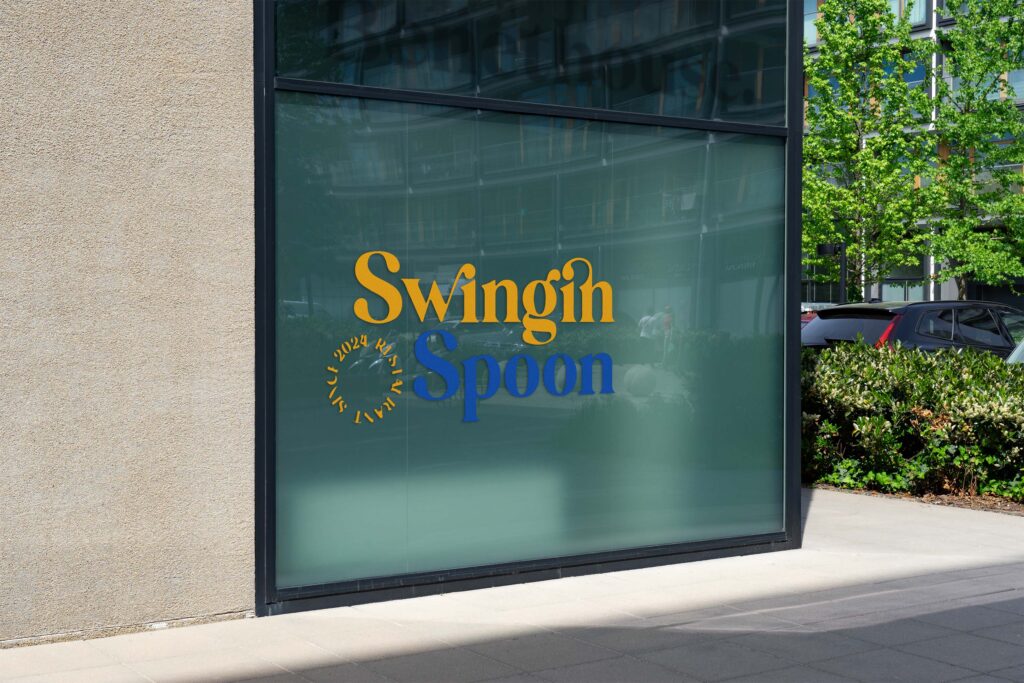
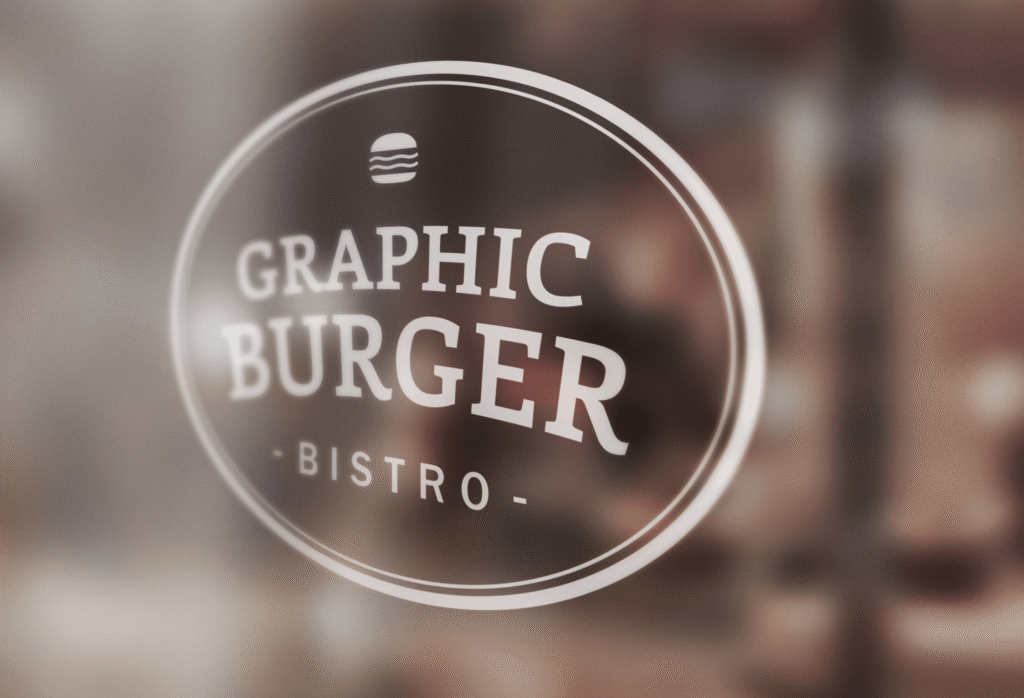
Vinyl cut out lettering and graphics in Chicago are in use across every commercial surface type in the city, such as storefront window text in Lincoln Park, vehicle door lettering on service fleets in Naperville, office suite identification panels throughout the Loop, and wall-mounted dimensional-look graphics in Fulton Market creative offices.
Why Chicago Businesses Choose BannerFreaks for Cut Out Vinyl Lettering and Graphics
Cut vinyl is one of the oldest and most reliable product categories in commercial signage, and its durability advantage over printed graphics in certain applications hasn’t changed despite advances in wide-format printing. On glass, metal, and painted surfaces where a clean, solid-color element is the correct visual outcome, a cut vinyl letter or graphic applied directly to the surface reads with a precision and permanence that a printed graphic panel simply doesn’t match. The element sits on the surface as if it belongs there, which is why cut vinyl lettering remains the standard product for storefront window text, vehicle lettering, and office suite signage across Chicago’s commercial landscape.
Cast Vinyl Stock: Avery and Orafol for Long-Term Performance
We cut from Avery and Orafol cast vinyl stocks rather than calendered vinyl for all applications where the graphic is expected to last more than one to two years. The distinction matters in the field: cast vinyl is manufactured by spreading a liquid vinyl compound across a casting sheet and curing it, which produces a thin, memory-free film that conforms to surface contours and maintains its shape without shrinking back from edges over time. Calendered vinyl — made by pressing heated vinyl through steel rollers — carries residual internal stress from the manufacturing process that causes it to pull back from cut edges over time, particularly on curved surfaces and in environments with temperature variation. On a vehicle door or a storefront window that cycles through Chicago’s seasonal temperature range, the edge lift on a calendered cut letter becomes visible within a season. On the same surface as cast vinyl, the edge stays down for the rated lifespan of the material.
Color Range: Standard, Matte, Metallic, and Reflective Finishes
Cut vinyl lettering and graphics are available in a broader range of surface finishes than printed vinyl because the color and finish are properties of the film itself rather than the ink system applied to it. Standard gloss finish is the most common specification for storefront window lettering and vehicle graphics.It reads with a clean, commercial-grade appearance and holds its color under both interior fluorescent lighting and exterior UV exposure without an overlaminate. Matte finish is used for applications where a non-reflective surface is an intentional design element. Metallic and brushed finishes: gold, silver, brushed aluminum, chrome, are used for premium branded applications, award and recognition wall graphics, and retail environments where surface texture is part of the visual language. High-intensity reflective grades are specified for any application requiring visibility under headlights or low-light conditions, including vehicle identification, safety markings, and outdoor directional signage.
Plotter Precision and Weeding Quality
The accuracy of a cut vinyl graphic is determined by the cutting plotter and the blade settings calibrated for each vinyl stock, not just the artwork file. A blade that’s set too deep cuts through the liner and destabilizes the graphic during weeding; a blade set too shallow leaves a partial cut that tears rather than releases cleanly when the negative material is pulled away. We calibrate blade depth and cutting pressure for each vinyl stock we run, which means the cut accuracy on an Orafol metallic gold film is calibrated independently from the settings used on a standard Avery gloss black two materials with different film thickness and carrier liner properties that require different cutting parameters. Weeding is done by hand under inspection lighting, and any graphic with fine detail hairline serifs, small counters in letterforms, narrow interior cutouts, is checked against the artwork file before application tape is applied.
Request a Free Quote


Get Custom Cut Out Vinyl Lettering and Graphics Chicago: Solid Color, Precise Cuts, Built to Last
Why Cut Vinyl Lettering Outperforms Printed Graphics on Certain Chicago Surfaces
There’s a category of signage application where a printed graphic is the wrong answer, not because printing can’t produce the visual, but because the surface, the viewing condition, or the longevity requirement makes a solid cast vinyl element the more correct material choice. Understanding where that line is matters for any Chicago business making signage decisions across multiple surface types and installation environments.
On glass, the difference is immediately apparent. A printed graphic on a white or clear vinyl carrier has a visible substrate surrounding the artwork, either a white field, a clear film that catches light at certain angles, or a rectangular boundary that defines the graphic as something applied to the surface rather than inherent to it. A cut vinyl letter or logo on the same glass surface has none of those visual artifacts. The element sits directly on the glass as a solid color shape, with no film carrier visible from any angle, no edge catching oblique light, and no perimeter rectangle framing what should read as a clean, standalone graphic.
On vehicles, the durability argument is equally straightforward. Vehicle lettering on a Chicago commercial fleet is exposed to wash cycles, road salt, UV radiation, and the thermal cycling of a vehicle panel that gets hot in direct summer sun and cold overnight in January. A cast vinyl cut letter from Avery or Orafol, applied correctly to a clean, properly prepared vehicle surface, will outlast most printed graphic films in these conditions because it carries no ink layer that can chip, scratch, or UV-degrade. The color goes all the way through the film and is protected by the vinyl chemistry rather than a surface coating.
For any Chicago business evaluating signage options across glass, vehicles, walls, or architectural surfaces, cut vinyl lettering and graphics should be in the conversation whenever solid-color precision, edge cleanliness, and long-term surface adhesion are priorities over full-color artwork reproduction.










Customer's Choice
Why Our Clients Choose Cut Out Vinyl Lettering and Graphics Chicago?

Juan Calloway
Lincoln Park, Chicago, IL
BannerFreaks cut the window lettering for our Lincoln Park storefront and the quality is exactly what professional signage should look like — clean edges, solid color, no visible film border around the text. It looks like it was etched into the glass. We’ve had it up for two full years and not a letter has lifted at an edge.
Eve Derek
Loop, Chicago, IL
We ordered cut vinyl suite identification graphics for our entire floor in a Loop office tower — logo and suite numbers on every entry door panel. The cut accuracy on our logo detail is impressive, and the matte black finish reads well under the corridor lighting without any surface glare. Consistent quality across a high-volume order.
Brendan Phillips
Derry, NH
BannerFreaks handles all the vehicle door lettering for our Naperville service fleet — over 20 vans running across the Chicago suburbs. The Avery cast vinyl they use has held up through two winters of road salt and daily wash cycles without a single letter lifting or showing edge shrink. Reliable product and reliable production
Taryn Weston
Fulton Market, Chicago, IL
We used BannerFreaks for cut vinyl wall graphics in our Fulton Market office — metallic gold lettering on a dark accent wall in our reception area. The brushed finish looks premium and the plotter accuracy on the fine serif letterforms we specified is genuinely precise. Exactly the elevated finish the space needed.
Maria Galard
Wicker Park, Chicago, IL
Ordered cut vinyl window graphics for our Wicker Park retail location in a custom color to match our brand. BannerFreaks confirmed the Orafol color match before cutting and the finished lettering is accurate to spec. The application tape transfer was clean — no lifting of fine details during the install, which has been a problem with other vendors.
Cassidy Brennan
River North, Chicago, IL
BannerFreaks produced cut vinyl lettering for six of our River North locations as part of a rebrand rollout. Color consistency across all six sites was exact — same film stock, same cut settings, delivered as a coordinated package. The install was straightforward and everything went up correctly on the first attempt at every location.
Frequently Asked Questions About Cut Out Vinyl Lettering and Graphics Chicago
What's the smallest text size that can be accurately cut in vinyl lettering?
The minimum reliable cut size for vinyl lettering depends on the typeface and the specific letterform. Condensed sans-serif fonts hold detail at smaller sizes than wide serif fonts with fine stroke variation, because the counter spaces and hairline elements in serif faces become too narrow for the blade to navigate cleanly below a certain point. As a general threshold, we can reliably cut most standard typefaces at letter heights of three-quarters of an inch and above. Below that, we assess the specific font and artwork before confirming whether it’s cuttable at the requested size. If a design requires text smaller than what cuts cleanly in vinyl, we’ll recommend a printed alternative for that element rather than deliver something that won’t hold up during weeding or application.
Can cut vinyl lettering be applied to textured or rough surfaces?
Cast vinyl lettering conforms reasonably well to lightly textured surfaces, painted concrete block, moderately textured stucco, and surfaces with a fine aggregate finish because the film is thin and flexible enough to make contact with surface relief rather than bridging across it. On heavily textured surfaces like rough brick, deep-profile concrete, or ribbed metal panel systems, the vinyl can only bond to the peaks of the texture rather than the full surface area, which reduces adhesive contact and significantly shortens the lifespan of the installation. For these surfaces, we typically recommend a printed graphic on a thicker substrate that spans the texture rather than conforming to it, or we discuss dimensional letter options that sit proud of the surface entirely. We assess surface condition as part of the quoting process for any cut vinyl lettering job where the application surface isn’t standard painted drywall, glass, or vehicle paint.
How is cut vinyl lettering applied to a surface? And do you need a professional installer?
Cut vinyl lettering is transferred using application tape, which holds all elements in their correct relative positions and allows the graphic to be applied in a single placement rather than letter by letter. For small, simple applications — a line of text on a door glass, a single logo on a vehicle door — an experienced DIY installation is achievable with the right surface prep and squeegee technique. For larger installs, multi-element graphics, or applications on curved vehicle panels where proper tension and positioning during application are critical, professional installation is strongly recommended. BannerFreaks offers installation services for cut vinyl lettering across Chicago and the surrounding suburbs, and for any job where misalignment or improper application would be a visible and costly problem, having our crew handle the install is the better outcome.