Fleet Lettering Chicago
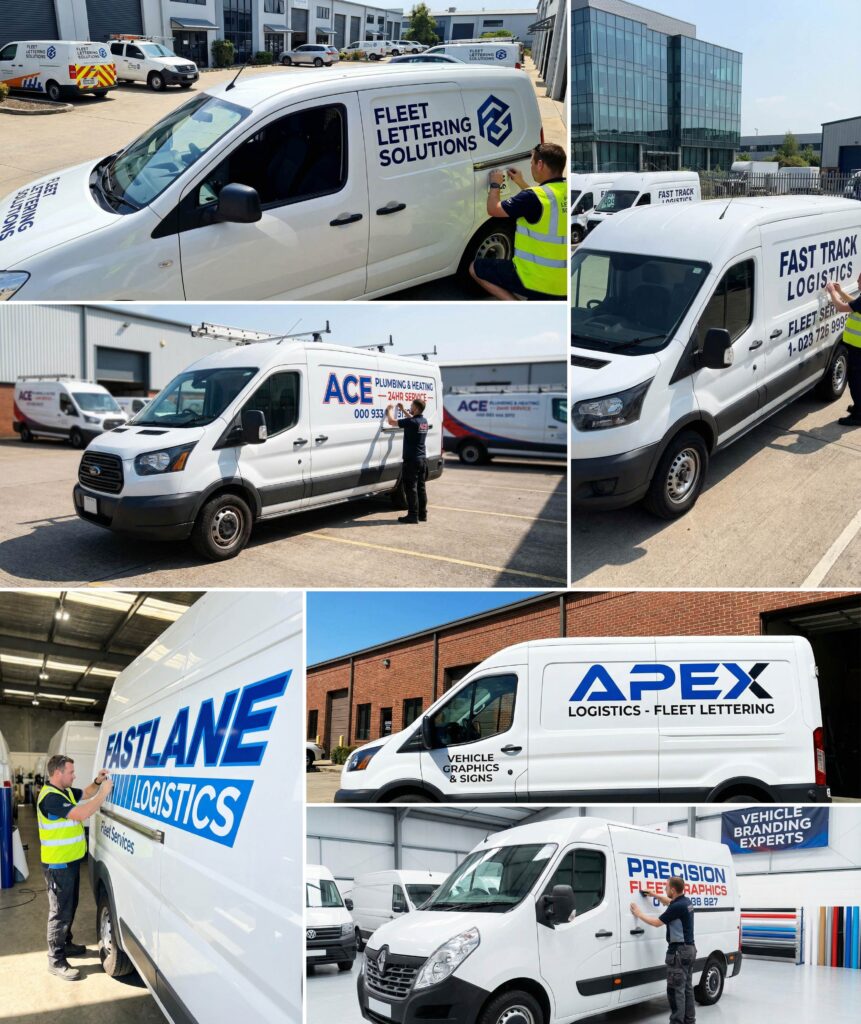
Fleet lettering in Chicago is cut vinyl identification, such as business name, phone number, website, DOT numbers, USDOT registration, and any other regulatory or branding content required on commercial vehicles produced at volume from Avery and Orafol cast vinyl stocks and applied consistently across every vehicle in the fleet.
BannerFreaks deliver consistent color matching, precise cut accuracy, and a coordinated look across the entire fleet — not a close approximation that drifts between production runs. Every element is plotted on a Roland cutting system, calibrated independently for each vinyl stock, weeded clean, and applied by our installation crew with horizontal reference lines on every panel so the finished lettering is level on vehicle one and vehicle fifty.
Why Chicago Businesses Choose BannerFreaks for Fleet Lettering
The defining requirement of a fleet lettering program, the thing that separates it from a single-vehicle job, is consistency. Every vehicle in the fleet needs to carry the same color, the same layout proportions, the same cut accuracy, and the same level of application across every panel, regardless of whether it’s the first vehicle lettered or the last. That consistency is a production discipline issue, not just a design issue. It comes from running the same vinyl stock with the same blade calibration settings across the full order, applying layout reference lines with the same methodology on every vehicle, and retaining the cut files and color specs between production runs so reorders for new vehicles added to the fleet match the existing units exactly.
Cast Vinyl for Fleet Applications: Why the Substrate Matters at Scale
Fleet lettering is a multi-year investment — the vehicles it’s applied to operate daily, go through wash cycles, sit in outdoor parking on both sides of a Chicago winter, and accumulate highway miles in a UV environment that acts on the vinyl surface continuously. Getting a fleet of 25 vehicles lettered is a production and installation investment that nobody wants to repeat after two years because the vinyl didn’t hold up. We produce fleet lettering Chicago programs on Avery and Orafol cast vinyl, which carries a five-to-seven-year outdoor durability rating on vehicle surfaces under Chicago’s operating conditions. The cast manufacturing process — liquid vinyl spread across a casting sheet and cured flat — produces a film with no internal stress, no directional memory, and no tendency to shrink back from cut edges under thermal cycling. On a vehicle door panel that goes from a January morning in a Chicago parking lot to a July afternoon in direct sun, that thermal stability is the property that keeps fleet lettering flat and adherent for the full lifespan of the program rather than lifting at the corners after the first season.
Color Matching Across the Full Fleet
Color consistency across a fleet lettering program requires more than ordering from the same vinyl product line — it requires running the same specific film stock across the entire order and retaining that stock specification for reorders when new vehicles are added to the fleet. A Pantone or RAL color that’s specified as an Avery or Orafol standard color needs to come from the same product code across the full production run; different color codes from the same manufacturer can have measurable variation in hue and finish that’s visible when vehicles park side by side. We confirm the specific vinyl color code before any fleet lettering order goes into production, document that specification in the job file, and use the same code on all reorders so vehicles added to the fleet six months after the initial installation match the original units. For fleet operators in Chicago whose vehicles represent the brand at every customer property and job site, that color discipline is the difference between a coordinated fleet and one that looks like it was assembled from multiple vendors over time.
DOT Numbers, Regulatory Compliance, and Required Identification
Commercial vehicles operating in Illinois and across state lines have specific identification requirements — USDOT numbers, MC numbers, GVW ratings, company name and base address — that are federally mandated for certain vehicle classes and subject to enforcement. Fleet lettering programs for Chicago-area trucking operators, for-hire carriers, and businesses operating commercial motor vehicles above 10,001 lbs GVWR need to incorporate compliant identification elements alongside brand lettering, and the size, placement, and color contrast requirements for DOT identification are specific enough that they need to be addressed in the layout before production begins. We work with fleet operators on compliant DOT lettering layouts as part of the standard fleet lettering program confirming required element sizes, placement zones, and contrast requirements against the vehicle color before any artwork is finalized. For operators who are setting up a new fleet in Chicago and aren’t certain of the specific requirements for their vehicle class, we recommend consulting your carrier compliance advisor alongside our layout process to ensure everything that needs to be on the vehicle is addressed correctly.
Request a Free Quote
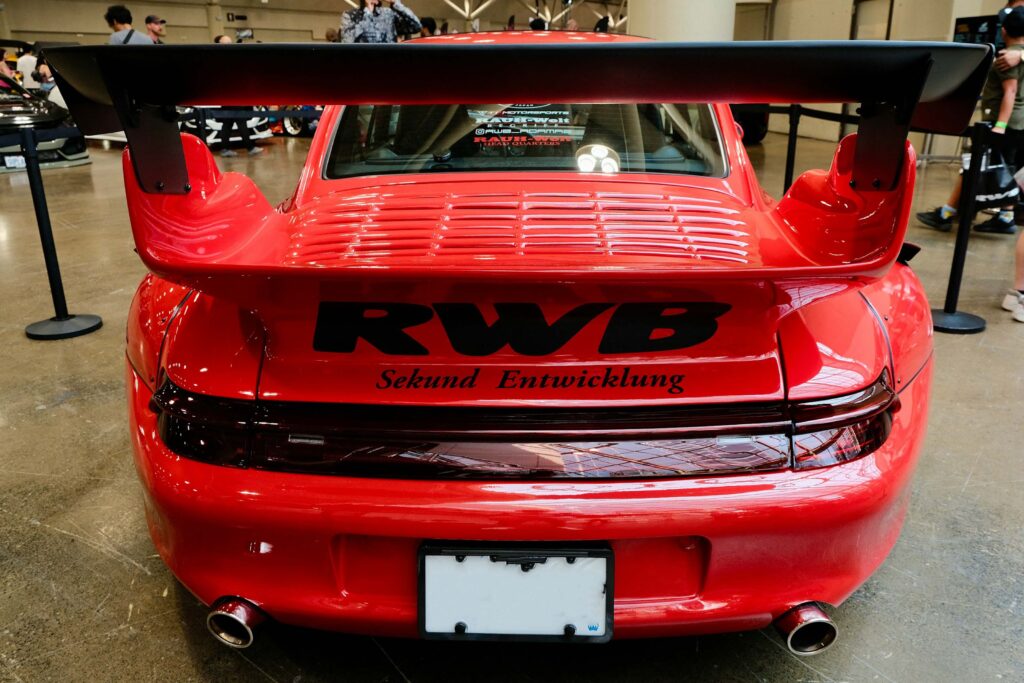
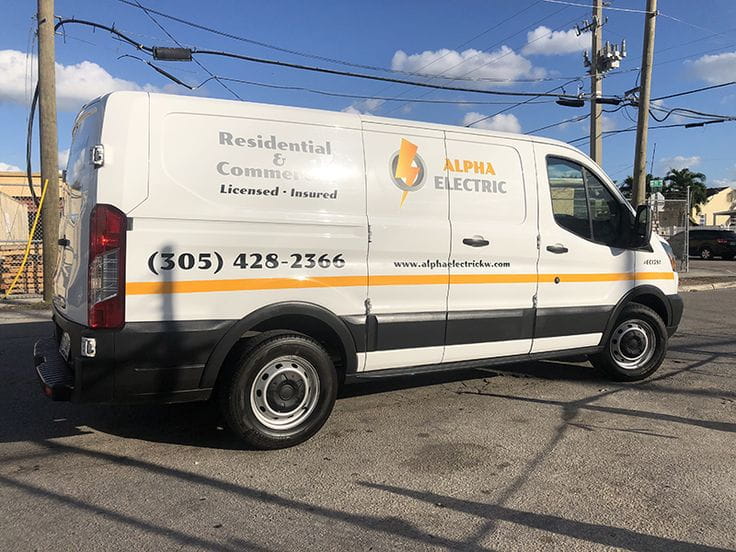
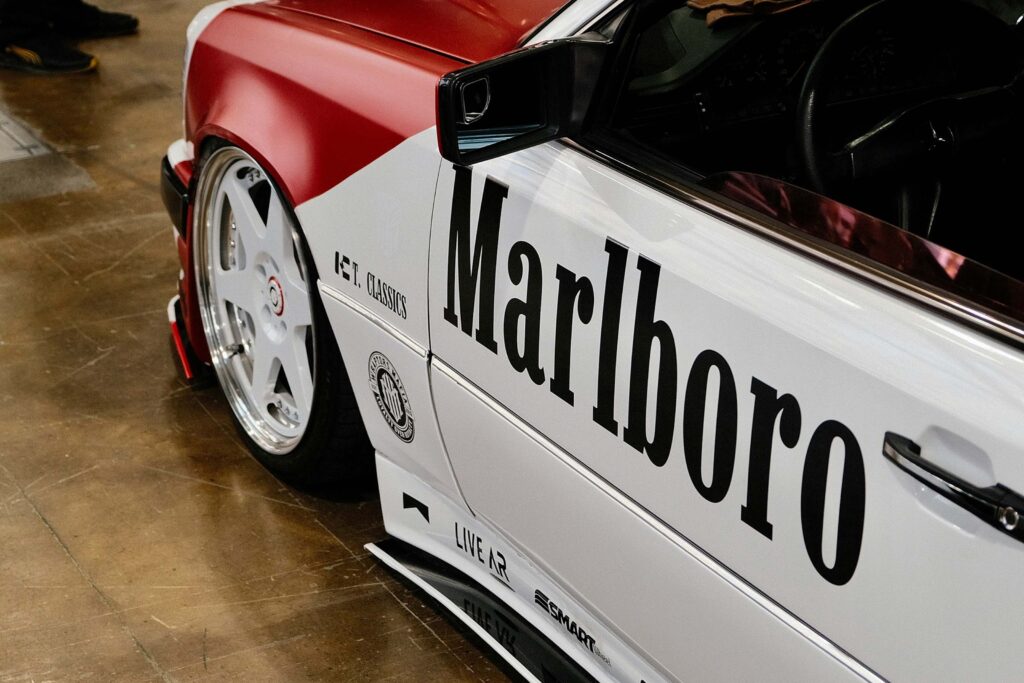
Get Custom Fleet Lettering Chicago, Providing consistent Color, Precise Cuts, Coordinated Across Every Vehicle
Fleet Lettering Is a Repeating Program: Build It Right From the Start
Most fleet operators discover the cost of a poorly specified fleet lettering program the second time around, not the first. The first installation looks acceptable on day one regardless of whether it was produced on cast or calendered vinyl, regardless of whether the color was specified to a documented stock code or approximated, and regardless of whether the cut file was retained for reorders. The problems surface over time — when vehicles start showing edge lift after the first winter, when a new unit is added to the fleet and the replacement lettering doesn’t quite match the existing vehicles because the original stock code wasn’t documented, or when a reorder six months later comes back from a vendor who used a different vinyl lot and the color is visibly different on the new vehicles.
At BannerFreaks, fleet lettering programs are set up from the first order with the documentation and production standards that make reorders seamless and consistent. The vinyl color code is locked to the job file at the first production run. The cut files are retained and are immediately available for reorders without re-layout costs. The blade calibration settings for the specific vinyl stock are documented so the cut accuracy on reorder number five is identical to the original run. For a Chicago fleet operator adding two or three vehicles per year as the business grows, that documentation is what makes the fleet look coordinated over time rather than assembled from multiple partially matching programs.
The material specification — Avery or Orafol cast vinyl on an automotive-grade adhesive — is the foundation of a fleet lettering program that doesn’t need to be redone before the vehicles it’s applied to are ready to retire. Five to seven years of outdoor vehicle operation on a correctly specified cast vinyl installation is a realistic expectation under Chicago conditions. The same investment in calendered vinyl may need to be redone in two to three years as edge lift begins on vehicles that run daily through Chicago’s seasonal temperature extremes. The cost difference between cast and calendered at the per-vehicle level is smaller than the cost of re-lettering a fleet ahead of schedule.
If you’re building a fleet lettering program in Chicago for the first time, or replacing lettering on an existing fleet that hasn’t performed as expected, the vinyl specification and the documentation practice are the two things worth getting right before production begins.










Customer's Choice
What Clients Say About Us?

Andy Fidler
DuPage County, IL
BannerFreaks handles fleet lettering for our DuPage County HVAC operation — 28 vehicles that cover the full Chicago western suburban market. Three years into the program and the lettering on the original vehicles still looks sharp with no edge lift anywhere in the fleet. New vehicles we’ve added match the originals exactly because they documented our vinyl spec from day one.
Nina Hargrove
Naperville, IL
We switched to BannerFreaks for our Naperville landscaping fleet lettering after our previous vendor’s color was visibly different on a reorder. BannerFreaks locked our specific Orafol color code to our account on the first order and the reorder six months later matched the originals perfectly. That’s the kind of detail that matters when vehicles are parking together at job sites.
Elliot Dumas
Schaumburg, IL
BannerFreaks produced DOT compliance lettering and brand identification for our Schaumburg trucking fleet — 15 straight trucks that run interstate routes. They walked us through the required element sizes for our vehicle class before layout so everything was compliant out of the gate. Clean cuts, level application, and the installation was scheduled around our dispatch calendar so we didn’t lose truck-days.
Taryn Weston
West Loop, Chicago, IL
Our West Loop delivery operation runs 20 cargo vans on city routes daily. BannerFreaks produced the full fleet lettering program in a single coordinated run and installed in three-day batches so we were never more than a third of the fleet down at one time. Color consistency across all 20 vehicles is exact. This is how a fleet program should be managed.
Marcus Obi
Orland Park, IL
We’ve added eight vehicles to our Orland Park fleet in the two years since BannerFreaks did the original lettering program and every reorder has matched the existing units exactly. Same vinyl code, same cut files, same result. As the fleet grows the brand stays coordinated — which is the whole point of a fleet lettering program.
Cassidy Brennan
Burr Ridge, IL
BannerFreaks handles fleet lettering for our Burr Ridge utility contractor fleet — 35 vehicles across three vehicle types. They templated each vehicle model separately and the lettering layout is proportionate and level on every unit regardless of make. Two winters in and not one letter has lifted on any vehicle in the fleet. This is production done right.
Frequently Asked Questions For Fleet Lettering in Chicago
What content typically goes on fleet lettering for a Chicago commercial vehicle?
Standard fleet lettering content for a Chicago commercial vehicle includes business name, primary phone number, website URL, and a logo element if the logo is a single-color or two-color design that translates cleanly to cut vinyl. For vehicles subject to Illinois or federal commercial vehicle identification requirements — trucks over 10,001 lbs GVWR operating for hire or in interstate commerce — USDOT number, MC number if applicable, company legal name, and city and state of the principal place of business are required elements that need to be incorporated into the lettering layout at compliant sizes and placement positions. For vehicles that don’t have federal identification requirements, the content is determined entirely by the operator’s branding and contact information goals. We review content requirements during the quoting process and flag any regulatory identification needs based on the vehicle type you describe.
How do you ensure color consistency when re-lettering fleet vehicles over time?
Color consistency on fleet lettering reorders depends on two things: specifying the vinyl to a documented manufacturer color code rather than a descriptive approximation, and using that same code on every subsequent order regardless of how much time has passed. Avery and Orafol both produce their vinyl colors to tight manufacturing tolerances within a product line, but those tolerances aren’t tight enough to guarantee a match between different color codes that visually appear similar — two Avery whites, for example, may have different opacity and finish characteristics that are visible when vehicles park side by side. We document the specific Avery or Orafol color code confirmed on the first fleet lettering order to the job file and use that code exclusively on reorders. If you’re restarting a fleet lettering program where the original vendor’s specification isn’t documented, we produce a test cut from the most likely color candidates and check against an existing vehicle before committing to a reorder.
Can fleet lettering be produced and installed on different vehicle makes in the same program?
Yes — fleet lettering programs that include multiple vehicle makes and body styles are common, particularly for contractor and service operations that have mixed fleets of vans, pickups, and straight trucks. Each vehicle type requires a separate layout because the usable panel dimensions, door geometry, and body line positions are different — a layout designed for a Transit cargo van won’t transfer proportionately to a Ram 1500 pickup without adjustment. We build separate layout templates for each vehicle type in the fleet during the production setup phase, which adds a one-time layout cost for each additional vehicle type but ensures the lettering is correctly proportioned and positioned on every vehicle in the program rather than scaled from a single generic template. Color and content remain consistent across all vehicle types; only the layout dimensions change to fit each vehicle’s specific panel geometry.