Opaque Vehicle Graphics Chicago
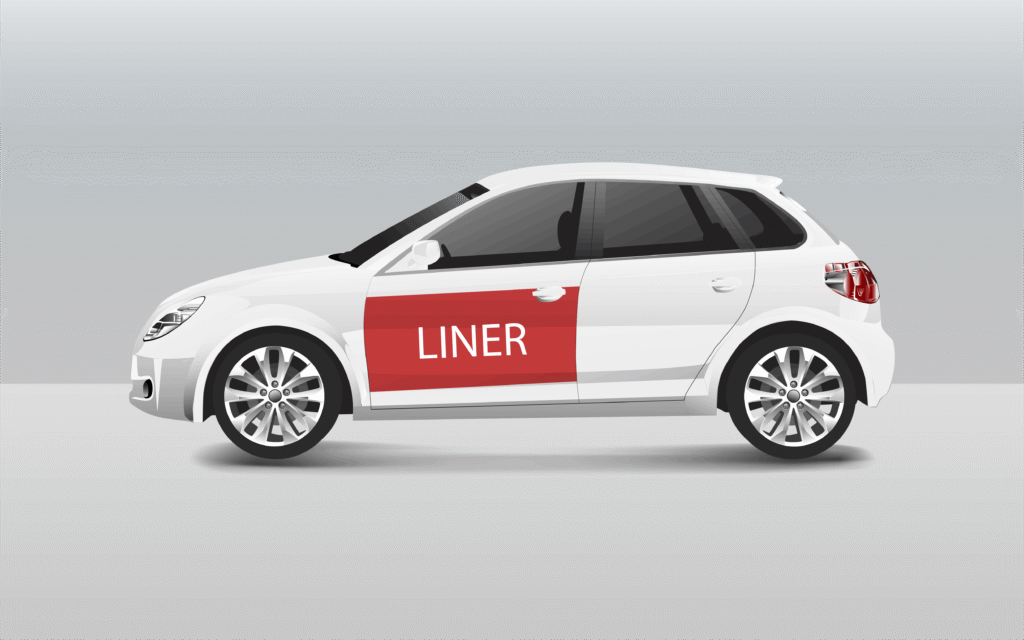
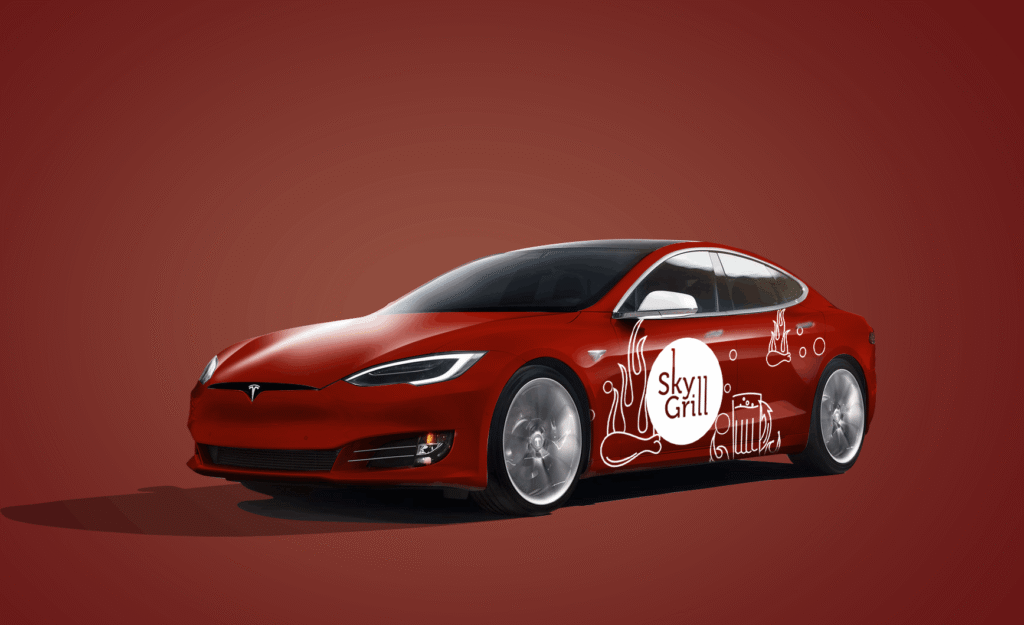
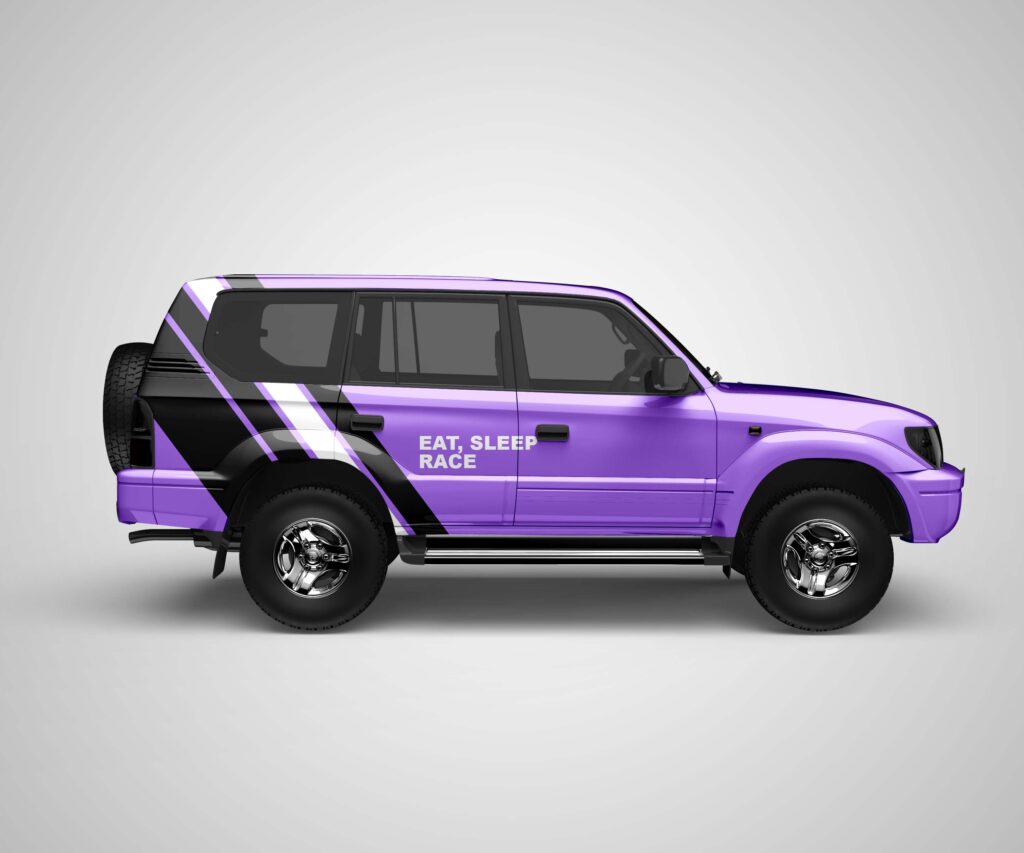
Opaque vehicle graphics in Chicago are full-color printed vinyl panels applied directly to vehicle body surfaces like doors, quarter panels, hood, roof, tailgate, and cargo box sides, producing complete graphic coverage on the painted surface with no light transmission through the film. Opaque vehicle graphics are used for door panel advertising graphics on Chicago service vans, partial branding programs that cover specific body panels without committing to a full wrap, hood and roof applications on high-visibility vehicles, cargo box side graphics on box trucks operating on Chicago’s commercial corridors, and any application where full-color printed coverage on a vehicle body surface is the correct solution.
At BannerFreaks, every panel is templated to the specific vehicle year, make, and model before production begins, so the coverage and panel breaks align with the actual geometry of the vehicle rather than a generic approximation.
Why Chicago Businesses Choose BannerFreaks for Opaque Vehicle Graphics
Opaque vehicle graphics occupy the space between cut vinyl lettering, which is single-color identification, and a full vehicle wrap, which covers every exterior surface on the vehicle. For Chicago commercial operators who need full-color imagery, photographic elements, or multi-color brand graphics on specific body panels without the investment or installation time of a full wrap, opaque vehicle graphics are the correct scope. Getting that scope right requires the same material discipline as a full wrap program: automotive-grade cast vinyl, automotive-paint-compatible adhesive, outdoor-rated overlaminate, and vehicle-specific templating.
Avery MPI 1005 Cast Vinyl: The Correct Substrate for Vehicle Body Panels
Avery MPI 1005 is an automotive-grade cast vinyl film engineered for exterior vehicle body panel applications. A product category with specific performance requirements that standard signage or wall graphic vinyl doesn’t meet. On a vehicle door panel, the graphic has to maintain adhesion through the thermal cycling the panel surface experiences between a Chicago January and a Chicago July, conform to the body panel contours and body line transitions without bridging or pulling away from surface relief, and hold its edge bond through daily wash cycles, road salt exposure, and UV radiation on sun-facing surfaces. The cast manufacturing process, liquid vinyl spread across a casting sheet and cured flat, produces a film with no internal stress and no directional memory, which means it doesn’t shrink back from cut edges under thermal cycling the way calendered vinyl does. For a door panel graphic that needs to look right for five years of daily commercial vehicle operation across Chicago’s road and weather conditions, the substrate specification is not a negotiable variable.
White-Face Print Layer and Color Accuracy on Vehicle Paint
The white base coat on Avery MPI 1005 opaque vehicle graphics vinyl is a functional component, not just a printing surface. Vehicle paint colors, particularly dark colors like black, dark blue, and charcoal gray, will transmit through an insufficiently opaque vinyl substrate and shift the printed colors on the face of the graphic toward the underlying paint tone. A red brand graphic on a white carrier vinyl reads accurately as the approved brand red. The same graphic on a dark vehicle without adequate white base coat opacity will read as a darkened, shifted approximation of the approved color. We confirm specification on every opaque vehicle graphics job because it’s the property that makes color-accurate branding on a dark vehicle possible.
UV-Protective Overlaminate for Chicago’s Sun Exposure Conditions
The overlaminate applied over the printed vinyl surface is what determines how long opaque vehicle graphics maintain color fidelity under continuous outdoor UV exposure on Chicago roads. TR2 eco-solvent ink bonds to the vinyl substrate at a molecular level and has inherent UV resistance compared to surface-applied ink systems, but without a UV-blocking overlaminate, even a well-specified eco-solvent print will show measurable color fade on south- and west-facing vehicle panels after two to three years of Chicago operating conditions. We apply an outdoor-rated cast overlaminate to every opaque vehicle graphic panel as a standard production step.
Request a Free Quote

Get Custom Opaque Vehicle Graphics in Chicago with Full-Color Panel Coverage on Automotive-Grade Cast Vinyl
Opaque Vehicle Graphics vs. Full Wraps: Understanding the Right Scope for Your Chicago Fleet
The decision between opaque vehicle graphics and a full vehicle wrap is fundamentally a scope question, not a quality question; both use the same material grade and production process, and the performance expectations for the installed vinyl are identical. What differs is the coverage area and, consequently, the installation time and investment per vehicle. Understanding where the boundary between the two lies is worth working through before committing to either.
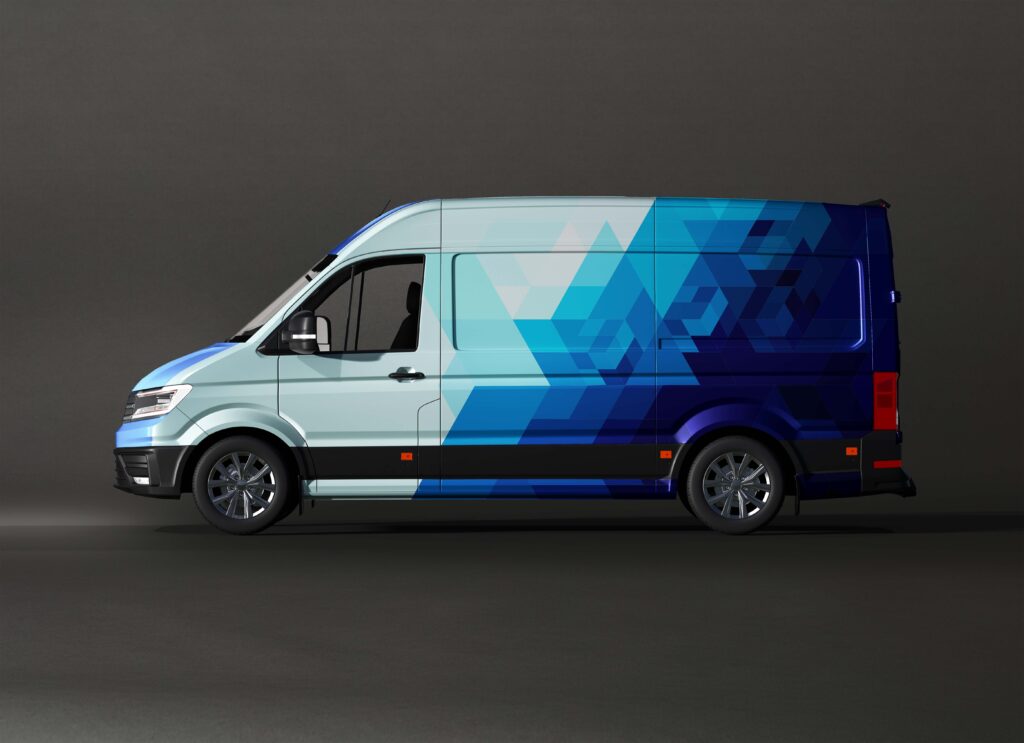
A full vehicle wrap covers every exterior painted and finished surface on the vehicle — hood, roof, all doors, all quarter panels, bumpers, mirrors, and any body panels that are part of the vehicle’s exterior. It produces a seamless, continuous branded surface that replaces the visual identity of the vehicle entirely. It’s the right scope when the brand investment warrants complete visual coverage and when the vehicle is a primary brand vehicle that represents the company in high-visibility contexts daily.
Opaque vehicle graphics cover specific panels where the branding content needs to live — typically door panels, cargo box sides, and tailgate surfaces for service vehicles, and hood or roof surfaces for vehicles that operate in environments where overhead visibility matters. The vehicle paint color remains visible on uncovered surfaces, which means the graphic design needs to account for how the brand elements interact with the background paint rather than assuming a fully wrapped canvas. For Chicago service businesses running a mixed fleet of different vehicle colors, this is a relevant design consideration that we address during the artwork review process.
The cost and installation time difference between opaque vehicle graphics and a full wrap is significant — a partial panel graphic program on a standard cargo van takes a fraction of the installation time of a full wrap and costs proportionally less per vehicle.
We discuss both options with every client where the scope is genuinely ambiguous — the right answer depends on the fleet size, the vehicle operating environment, and what the graphic needs to accomplish on the road.








Customer's Choice
What Clients Say About Our Opaque Vehicle Graphics in Chicago?

Tiller Blare
Naperville, IL
BannerFreaks produced door panel opaque vehicle graphics for our entire Naperville service fleet — 16 cargo vans with full-color brand imagery on both door panels. The color accuracy on our dark green vehicle paint is exact — the white base coat blocks the paint completely and the brand colors read the same as they do on our printed materials. Two full operating seasons and not a single panel has lifted at an edge.
Jane Forster
Schaumburg, IL
We had BannerFreaks do cargo box side graphics on three of our Schaumburg box trucks. They templated each truck separately despite them being the same model year because the box dimensions varied slightly between units. That attention to the actual vehicle dimensions rather than assuming they were identical is the kind of detail that makes the finished graphics look professionally done.
Brendan Phillips
West Loop, Chicago, IL
BannerFreaks produced full door panel and tailgate opaque vehicle graphics for our West Loop catering vans. The color fidelity under the gloss overlaminate is vivid — the food photography on our door panels reads exactly as it does in our brand kit, which is not something we’d managed to achieve with previous vendors on dark vehicle paint.
Brian Jones
Orland Park, IL
We used BannerFreaks for partial body graphics on our Orland Park contractor trucks — hood and door panel coverage in a two-color brand scheme. The panel alignment relative to the body lines is precise on every truck and the cast vinyl they used has conformed cleanly to the body line transitions without any lifting or bridging after a full winter. Clean, professional work.
Michelle Dean
River North, Chicago, IL
Our River North property management company runs branded vehicles across the city and BannerFreaks handled opaque vehicle graphics on four of our SUVs. The matte overlaminate finish they recommended for our vehicle color reads exactly right — not shiny, not flat, exactly the premium look the brand calls for. Every panel is level and the coverage is precise.
Rennie Blare
Burr Ridge, IL
BannerFreaks produces opaque vehicle graphics for our Burr Ridge logistics fleet on an ongoing basis as we add vehicles. The color consistency between production runs months apart is exact — same Avery stock, same output profile, same result. For a coordinated fleet brand program, that repeatability is what we specifically depend on and BannerFreaks delivers it every time.

Queries Related to Opaque Vehicle Graphics in Chicago
What's the difference between opaque vehicle graphics and a full vehicle wrap?
Opaque vehicle graphics cover specific body panels — doors, cargo box sides, hood, tailgate — while the remaining vehicle surfaces show the original paint. A full vehicle wrap covers every exterior painted surface on the vehicle in a continuous graphic that replaces the visual identity of the vehicle entirely. Both products use the same automotive-grade cast vinyl and outdoor-rated overlaminate; the difference is coverage area, installation time, and cost per vehicle. Opaque vehicle graphics are the correct scope when the branding objective is panel-level advertising and identification rather than total visual coverage — and for fleet programs with multiple vehicles, the cost efficiency of partial panel coverage versus a full wrap per unit is a relevant factor in the scoping conversation.
How do opaque vehicle graphics perform on body lines and panel transitions?
Avery MPI 1005 cast vinyl has a conformability rating that allows it to follow moderate body line transitions and panel contours without bridging across surface relief or lifting away from the paint at transition edges. On standard cargo van and pickup truck body panels with typical body line geometry, the film conforms cleanly through the transition and maintains adhesion across the full surface area of the graphic. On more aggressive body line transitions — sharp character lines, deep recesses, or compound curved surfaces — we assess the geometry during the templating process and may recommend splitting the graphic at a body line boundary rather than running continuous film across a transition that exceeds the film’s conformability range. This is a decision made before production, not a problem discovered on the installation day.
Can opaque vehicle graphics be removed without damaging the vehicle paint?
Avery MPI 1005 cast vinyl with automotive-grade adhesive removes cleanly from vehicle paint when the removal process is done correctly: heat applied to the vinyl surface to soften the adhesive bond, followed by a slow peel at a shallow angle from one edge across the full panel. Any adhesive residue remaining after the film is removed clears with an automotive-safe adhesive remover without affecting the clear coat. The conditions that create paint damage risk on removal are paint age and condition — paint with existing clear coat degradation, repaired sections with color-match repainting, or paint applied less than 30 days before the vinyl installation are all higher-risk conditions. We assess paint condition before any opaque vehicle graphics installation and flag any surface condition where removal at end of life could be a concern before the job begins.